
Development
Mobile app development
iOS and Android apps from prototype to App Store and Google Play release. We help you choose between cross-platform and native based on the task rather than on fashion.
- Pricing
- From $280 · ≈ 20,000 ₽
- Timeline
- From 8 weeks to publication. App Store review takes anywhere from a day to a week and is outside our control.
A starting price. The total depends on scope, integrations and deadlines.
In short
A mobile app starts at about $6,800 and takes from 8 weeks to store release. That covers product design, UI following iOS and Android guidelines, development, on-device testing, store listing preparation and publication. Cross-platform Flutter is typically 30-40% cheaper than going native, at comparable quality for most business apps.
Flutter or native
Flutter gives you one codebase for both platforms: cheaper, faster, simpler to maintain. That is enough for most apps: services, shops, account areas, loyalty apps, internal tools.
Native Swift and Kotlin is the answer when the app pushes into platform capability: heavy camera work, AR, demanding graphics, background behaviour, system service integration, or performance requirements cross-platform will not meet. We raise this at the brief, because switching approach mid-project is effectively starting over.
Store release is its own job
A finished app is not yet an app in the store. You need developer accounts, icons and screenshots at every required size, descriptions, a privacy policy, age ratings, answers to data-use questionnaires. App Store review is manual, and a rejection is routine if something does not match the rules. We prepare the materials and take the app through review.
After release
An app lives as long as someone updates it: new iOS and Android versions, changing store rules, dependency updates, user reviews. We build in analytics and crash reporting from the first release, so after launch you can see real usage and real failures instead of guessing.
What the work includes
- Prototype and screen map
- UI following iOS and Android guidelines
- The application for both platforms
- Backend and API, if you do not already have one
- Push notifications and analytics
- Testing on real devices
- Icons, screenshots and store descriptions
- App Store and Google Play publication
How we work
- 01
Brief and approach
We define the journeys, the platforms and the approach, Flutter or native. The estimate follows from that.
- 02
Prototype and design
Screen map, prototype, then UI that respects the differences between platforms.
- 03
Development
Iteratively, with builds you can install and test on your own devices.
- 04
QA
Functional testing across devices and OS versions, including older ones.
- 05
Release
Materials prepared, submitted to review, seen through to approval.
Technology and tools
- Flutter
- Kotlin
- Swift
- Expo
- React Native
- Node.js
- NestJS
- PostgreSQL
- Firebase
Selected work
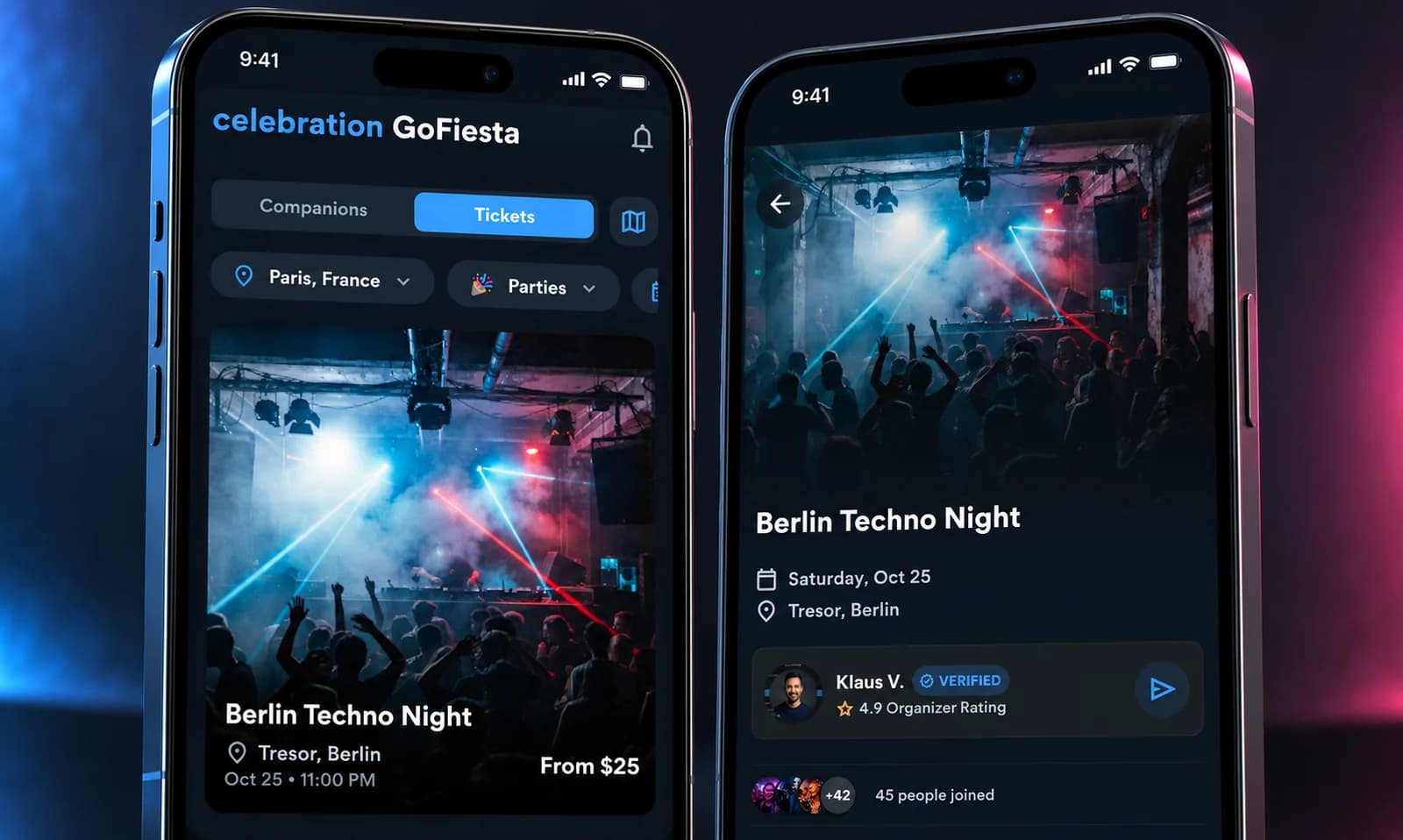
GoFiesta
A mobile app for finding parties and events abroad: tickets, travel companions and an organiser profile.
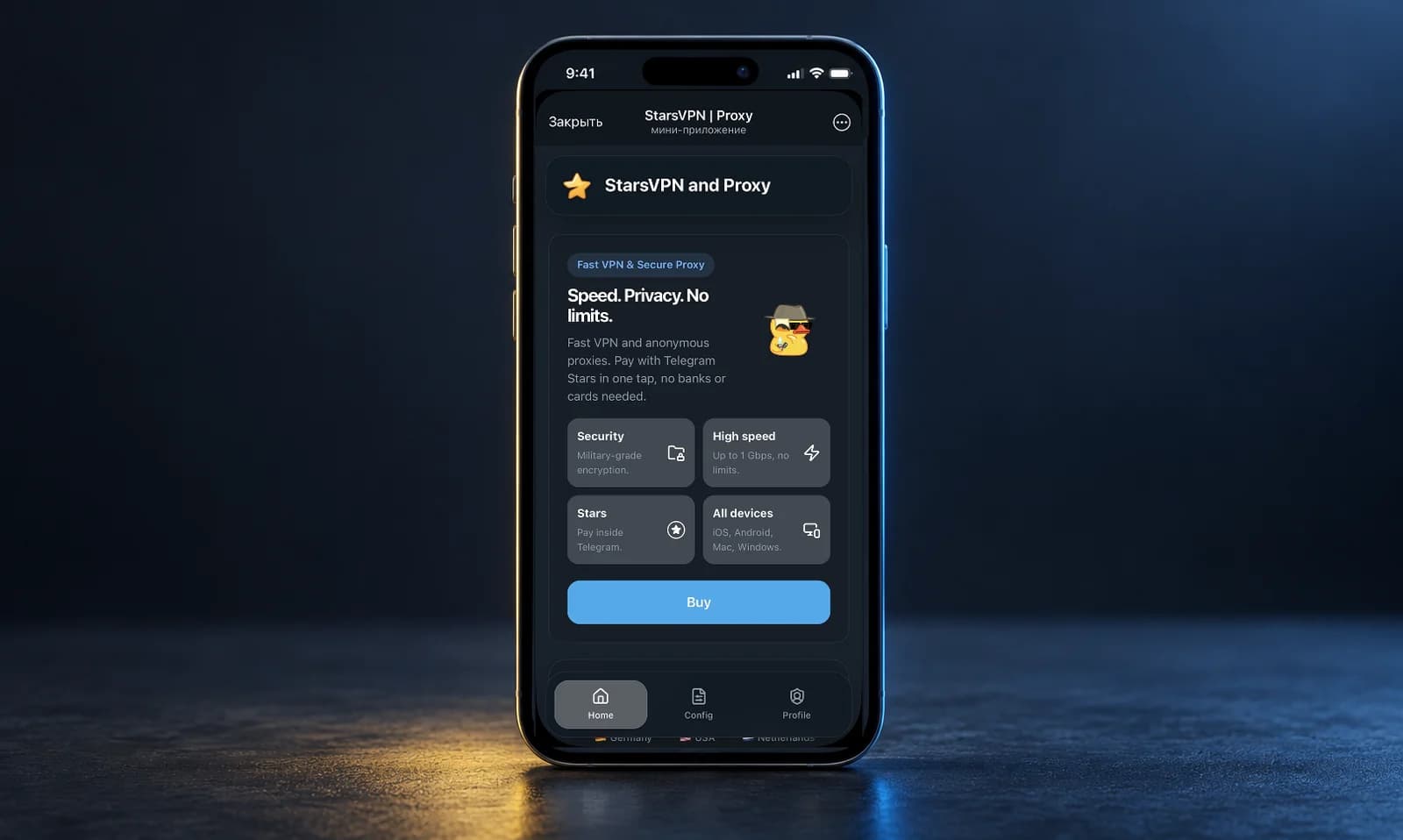
StarsVPN
A VPN and proxy service with a Telegram mini app: connect in a minute without manual server or protocol setup.
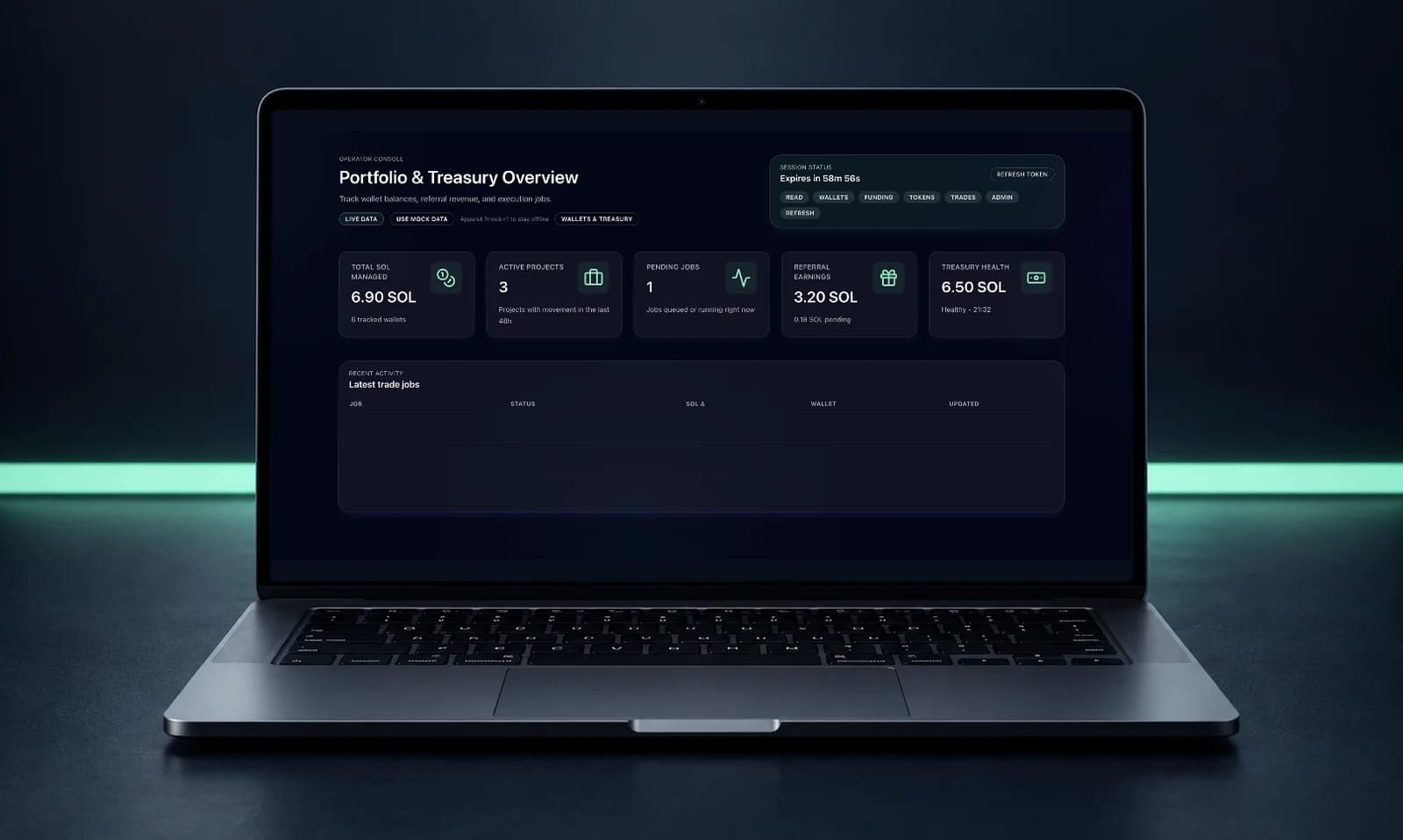
MultiLauncher
A Solana platform: launch tokens on PumpFun, trade from hundreds of wallets and distribute treasury privately via web app and Telegram bot.
Frequently asked questions
How much does a mobile app cost?
From about $6,800 for an app with a core set of journeys on both platforms, including design, development, QA and release. The total depends on screen count, whether you already have a backend, integrations, payments and whether native development is required. If a backend exists and the app only connects to it, the estimate drops noticeably against building the whole product from scratch.
Flutter or native: which should we pick?
For most business apps, Flutter: one codebase, 30-40% saved on budget and time, simpler maintenance. Native is justified for demanding camera and sensor work, AR, heavy graphics, serious background behaviour or deep integration with platform services. If you are unsure, describe the core journeys. They usually make it obvious whether you would hit cross-platform limits.
Do you handle store publication?
Yes. We prepare icons, screenshots at every size, descriptions, age ratings and the data-use answers, submit to review and see it through to approval. Apple and Google developer accounts are registered to you, since the app should be your property rather than the contractor’s. Account fees are paid separately and directly to the platforms.
Do we still need a website if we have an app?
Usually yes. An app does not get indexed the way a site does, and people need somewhere to learn about it before installing. At minimum you need a presentation page with store links, a description, screenshots and a privacy policy, and that last one is mandatory for publication anyway. If search is your main acquisition channel, the site stops being an add-on and becomes the front door.
What if the app is rejected in review?
It happens, especially with the App Store. The reasons are usually procedural: incomplete data-use disclosure, a missing privacy policy, no obvious way to delete an account, no test credentials for the reviewer. We fix the findings and resubmit as part of the project, and that is not billed as extra work when the cause sits on our side.
Want to talk it through?
Tell us what needs building. We will work through the task, propose an approach and send a staged estimate. No charge, no commitment.
Related services
- Web app and Telegram Mini App developmentFor when a site is no longer enough and you need a product: an account area, a dashboard, an internal tool or a Mini App inside Telegram. We design the architecture, write the backend and frontend, and take it to release.
- UX/UI design for websites and appsWe design interfaces that survive contact with production: research, structure, UI kit and a clean handoff to the developers. Everything lives in Figma as components with real states and real breakpoints, not as a folder of flat mockups. The same process covers landing pages, corporate sites, e-commerce, web apps and mobile.
- AI and ML developmentWe build AI that solves a defined task and pays for itself, not demos for the sake of demos. Classifiers, recommendations, text and document processing, LLM assistants, and model integration into an existing product.
- IT consulting and product auditThe most expensive mistakes in software happen before the first line of code: a misread problem, a stack chosen out of a contractor’s habit, and a specification that does not exist. Consulting exists to settle all of that before the development meter starts running: what to build, out of what, at what cost and in which order. The result is a document, not an opinion on a call.
Terms used on this page
- MVPAn MVP is the first release of a product that carries exactly one user journey end to end, shipped in four to eight weeks so the demand hypothesis gets tested against real users and real payments rather than survey answers.
- PWAA PWA is a website that behaves like an app: it installs to the home screen straight from the browser, works offline through a service worker and can send push notifications, all without going through App Store or Google Play review.
Further reading
- Flutter, React Native or Native: Choosing in 2026Choosing between Flutter, React Native and native is a product economics decision, not a technology one. Where cross-platform halves the budget, where it costs more, and what the Russian market constraints change in 2026.
- MVP in 2026: Real Timelines, Real Budgets and What to CutMVP no longer means cheap and rough. A weak prototype today produces a false negative and buries a workable idea. Here are four MVP tiers with prices and timelines, a framework for cutting scope, and the parts no budget justifies removing.
- What a Website Actually Costs in 2026: The Estimate, Line by LineA practical breakdown of a web development estimate: what analytics, design, front end, back end and integrations actually cost, which expenses always show up after launch, and where cutting the budget is safe.