
Design
Motion design and AI video for ads
We produce short video ads: shots generated with AI models, motion graphics on top, then edit, grade and sound design. You get a 16:9 master plus reframed 9:16 and 1:1 cuts, ready to upload to social feeds, Reels, Shorts, marketplace listings and ad accounts. We are straightforward about where AI delivers in a day and where filming or hand-built animation is still the right answer.
- Pricing
- From $110 · ≈ 8,000 ₽
- Timeline
- A clip up to 15 seconds takes 3 to 5 working days. A 30-second promo with several scenes takes 7 to 10 working days. A set of 3 to 5 campaign creatives takes about 2 weeks. A logo animation takes 3 to 4 days. A 24 to 48 hour rush is possible when the source material is ready, at a premium.
A starting price. The total depends on scope, integrations and deadlines.
In short
An AI video is a 5 to 30 second spot assembled from generated shots, motion graphics, editing, colour grading and sound. You get a 16:9 master plus reframed 9:16 and 1:1 cuts, subtitled and clean versions, exported as MP4 H.264 with ProRes on request. Turnaround starts at 3 working days and pricing at 15,000 RUB for a clip up to 15 seconds.
How an AI clip is put together
It does not start with generation, it starts with a board. We write the script second by second: what happens in the first two seconds, because otherwise the viewer scrolls past, which shot carries the product, where the offer appears, how it ends. Prompts come after that. Skip this and you get a pile of pretty but unrelated shots that refuse to become a story.
Then comes generation and selection. A single usable shot typically costs 5 to 15 attempts, because models still fail on hands, text, reflections and keeping an object consistent between shots. Selected takes are upscaled, stabilised and cut into the timeline. Motion graphics go on top: logo, lower thirds, prices, arrows, subtitles. After that a grade to make every shot look like one film, then sound: music, effects and voiceover when it is needed.
- Script and storyboard timed to the second, with the opening frame and closing call to action written out.
- Shot generation and selection: 5 to 15 attempts per final shot.
- Upscale to 2K or 4K, stabilisation, artefact cleanup.
- Motion graphics: logo, typography, price cards, subtitles.
- Colour grading for a consistent look and an audio mix with loudness normalisation.
Formats and where they run
A single clip almost never lives in one format. The base set is 9:16 for Reels, Shorts, short-video feeds and stories, 1:1 for the main feed and product listings, and 16:9 for the website, YouTube and decks. We do not stretch the frame: reframing is done by hand so the product and the text stay inside the crop instead of sliding out of a vertical.
Each platform changes more than the aspect ratio, it changes the edit. In Reels and Shorts the first one to two seconds and the subtitles decide everything, because most people watch muted. In a marketplace listing it matters more to show the product from every side and at a sense of scale against a hand or a room. In an ad account you need safe zones for the interface and several durations for different placements.
Technically you receive MP4 H.264 at 25 or 30 fps with AAC audio at a bitrate suited to the platform, plus one version with burned-in subtitles and one without. Marketplace rules on duration and file size shift periodically, so the final export is always matched to whatever the platform requires on the delivery date.
What AI genuinely handles and where hands are still needed
AI covers exactly what is expensive to film: atmosphere, interiors, aerials, macro with droplets and smoke, abstract textures, and lifestyle footage without a crew or a location. A spot that would need a full shoot day comes together in 3 to 5 working days for noticeably less money. That is why AI video works so well for real estate, restaurants, beauty, interiors and image-led promos.
Where the models still lose: an exact copy of your product with its real label and logo, a recognisable specific person, readable text inside a generated frame, complex hand actions, and perfect continuity of one object across shots. We do not promise any of that at the push of a button. We use a hybrid approach instead.
The hybrid looks like this: the product is shot on a phone or a camera, or we use your existing product photography, while AI generates the environment, background and atmosphere shots. Logos, prices, taglines and any important text are always built as motion graphics on top rather than generated. That is the only way to guarantee the letters are legible and spelled correctly.
Motion design: logo animation, graphics and subtitles
Motion design is its own service, not an add-on. A 2 to 4 second logo animation works as an opener, as a signature at the end of a spot, and for channel headers, decks and streams. We build it from your vector file: the logo is not redrawn, it is split into layers and animated according to your own style rules, delivered on light and dark backgrounds and with an alpha channel.
Then comes functional graphics: price and terms cards, shot captions, arrows and pointers, infographics for explainer pieces, animated UI screens for app promos. The priority here is legibility on a phone: at least 40 to 48 px of type height in a vertical frame, a contrasting backing, and no more than five to seven words on screen at once.
We always add subtitles, even when there is no speech in the clip, because a large share of the audience watches feeds muted and on-screen text decides whether the video is finished. You receive both the burned-in version and a separate SRT file, so the platform can render its own captions and so the clip can be translated without rebuilding it.
What a video costs and what drives the price
As a guide: a clip up to 15 seconds from existing material starts at 15,000 RUB; a 30-second promo with several scenes, graphics and sound at 40,000 RUB; a set of 3 to 5 creatives for a campaign at 60,000 RUB; a logo animation at 12,000 RUB; a marketplace product video at 15,000 RUB per item. Reframing the master into additional formats is normally included.
What raises the price: longer running time, many unique scenes, exact fidelity to a real product, voiceover in several languages, complex 3D or infographics, and a 24 to 48 hour rush. What lowers it: having your own photo and video material, an approved brand book and signed-off copy, and ordering as a batch, since the second and third clip always cost less than the first once the script and style base exists.
What the work includes
- Script and second-by-second storyboard describing every shot
- Master cut in 16:9 as MP4 H.264, with ProRes on request
- Reframed 9:16 and 1:1 versions with composition adjusted by hand
- Versions with burned-in subtitles and clean ones, plus a separate SRT file
- Six and fifteen second cutdowns for ad placements
- Logo animation with an alpha channel for light and dark backgrounds
- Audio track with licensed music and normalised loudness
- Still frames in JPG or PNG for covers, posts and product listings
How we work
- 01
Brief and script
We settle the goal, the platform, the duration and the target action, then write the script second by second and approve it as text before anything is generated. At this stage changes are free and instant.
- 02
References and a style frame
We gather visual references and generate one or two key frames so the lighting, colour and tone are approved before the whole spot is assembled.
- 03
Generation and selection
Scenes are generated, the good takes are selected, upscaled and cleaned of artefacts. Product shots are filmed or taken from your existing photography where accuracy matters.
- 04
Edit, graphics and sound
We build the rhythm of the edit, lay in motion graphics and subtitles, grade the picture and mix the sound. A draft with timecodes goes out for feedback.
- 05
Export and delivery
Every format, cutdown, subtitle file and still is delivered in one folder, matched to the platform requirements current at delivery. We can help with uploading into the ad account if that is useful.
Technology and tools
- Runway
- Kling
- Google Veo
- Midjourney
- Higgsfield
- Topaz Video AI
- Adobe After Effects
- Adobe Premiere Pro
- DaVinci Resolve
- ElevenLabs
- Suno
Selected work
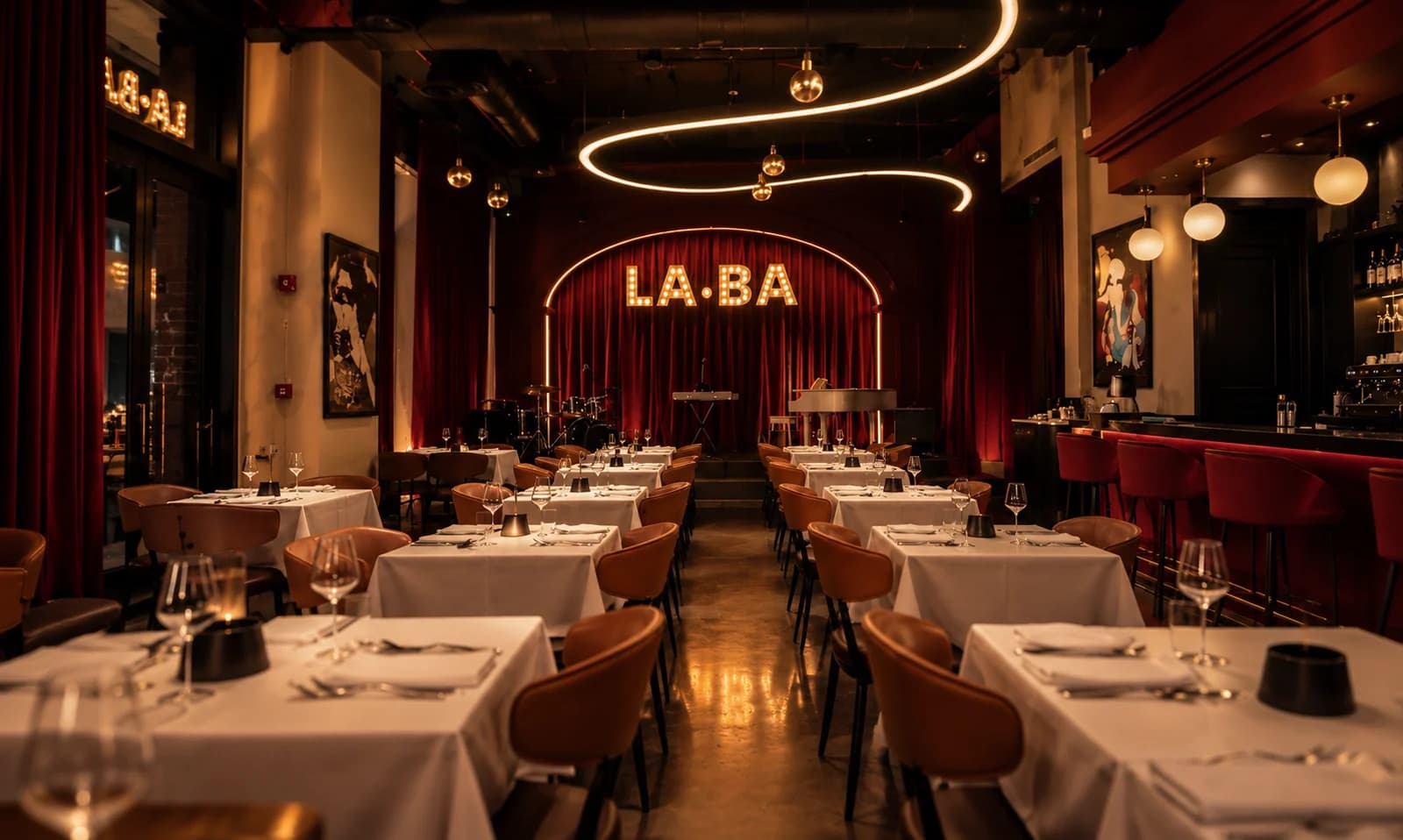
Restaurant promo film
An atmosphere film for a premium restaurant and lounge: set tables, the bar, the stage and warm evening light that make the venue feel worth visiting.
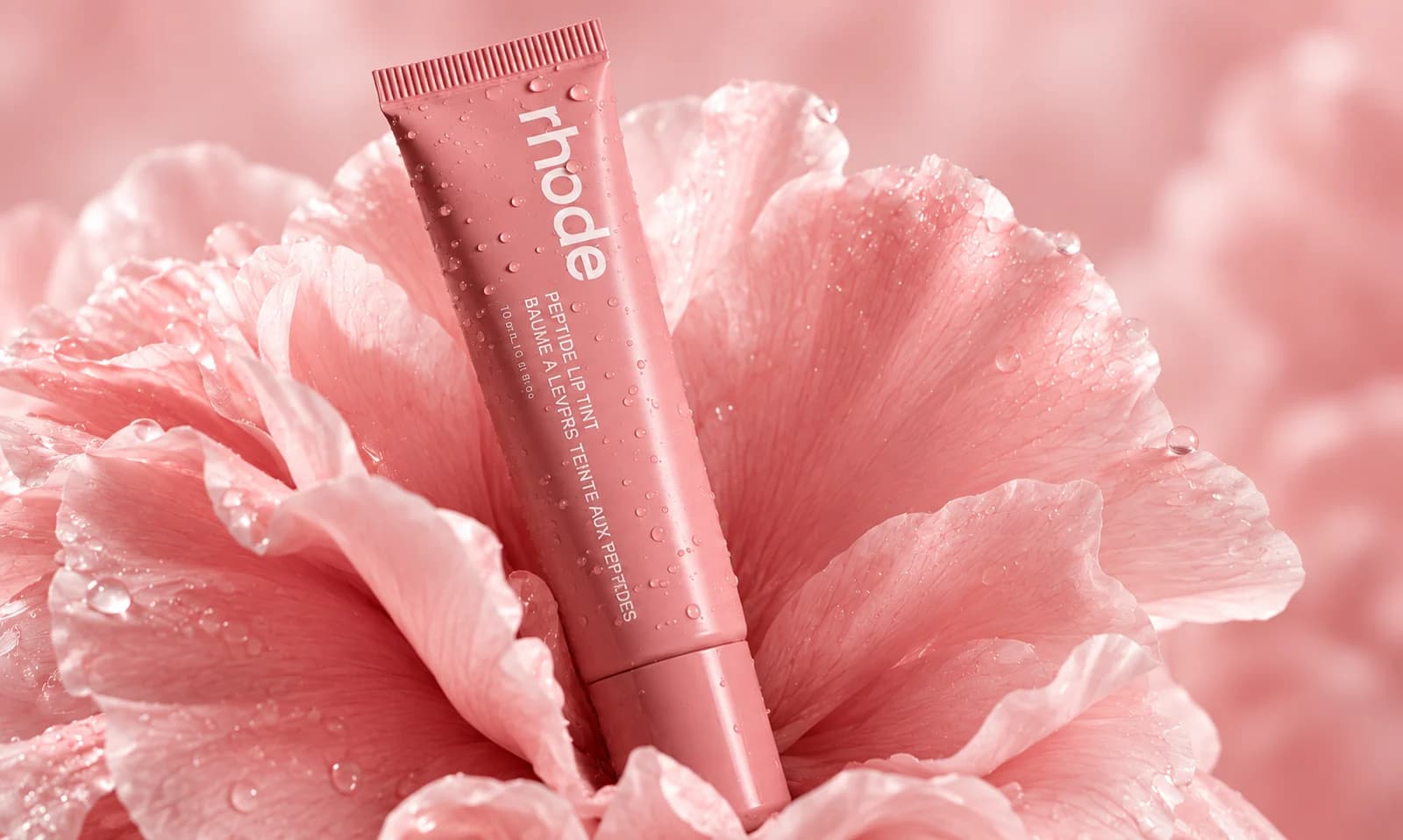
Beauty brand promo
A macro film for a cosmetics line: the product close-up, droplets and soft light, made for ads and socials.
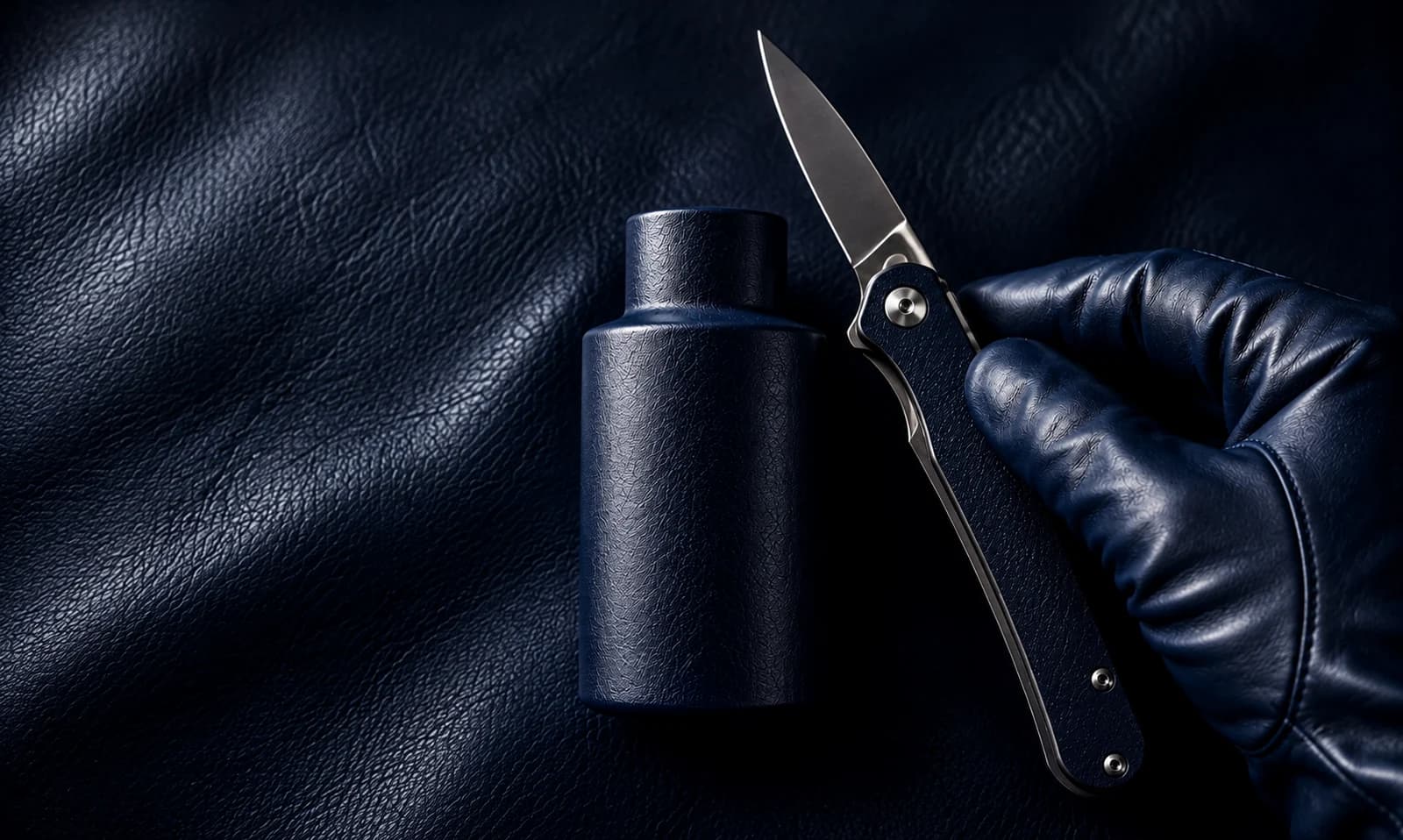
Men’s brand promo
An image film for premium men’s accessories: leather texture, a blade and the object in frame — status, without extra words.
Frequently asked questions
How much does a promo video cost?
A clip up to 15 seconds built from existing material starts at 15,000 RUB. A 30-second promo with several scenes, graphics and sound starts at 40,000 RUB, a set of 3 to 5 campaign creatives at 60,000 RUB, and a logo animation at 12,000 RUB. Reframes to 9:16, 1:1 and 16:9 are normally included. What costs more: exact fidelity to a real product, professional voiceover, complex infographics and a 24 to 48 hour rush.
Can the video show my actual product exactly as it looks?
Yes, but not by generation alone. The models still cannot reproduce a label, a logo or small package text without distortion. The working approach is hybrid: the product is filmed on a camera or a phone, or we use your existing product photography, while AI generates the background, the environment and the atmosphere shots. The product is composited into the scene in the edit, and the logo and price are added as motion graphics. Even flat lighting and a plain backdrop are enough, and you can shoot it yourself.
Which formats do marketplaces and social platforms need?
The universal set is 9:16 for Reels, Shorts, short-video feeds and stories, 1:1 for the main feed and product listings, and 16:9 for the site and YouTube. The file format is MP4 H.264 at 25 or 30 fps with AAC audio. For a marketplace listing it matters more to show the product from every angle, at a clear sense of scale and in use, rather than to build atmosphere. Platform rules on duration and file weight change, so we match the final export to the requirements in force on the delivery date.
Which AI models do you use, and why more than one?
No single model wins at everything. Some hold camera movement and physics better, some are more precise on macro and texture, others give cleaner results on longer shots. We work with Runway, Kling, Veo and Higgsfield for video, Midjourney for frames and style references, Topaz for upscaling, After Effects and Premiere for graphics and editing, DaVinci Resolve for colour, and ElevenLabs and Suno for voice and music. The toolkit gets reviewed every few months, because this market moves fast.
Can an AI video be used in paid advertising from a rights standpoint?
The finished video is handed to you for commercial use, paid placements included. We work on service tiers that permit commercial use of the output and use licensed music or tracks generated for the project rather than random files found online. We do not generate recognisable real people, third-party logos or protected characters. If a platform requires an AI disclosure, we add it to the video or the description, since labelling rules differ between platforms and keep changing.
How many revisions are included and what if the result misses?
Two rounds of revisions on the edit, graphics, copy and sound are included. Replacing individual generated shots is possible and usually takes a day. To avoid rebuilding everything, approval is split into three checkpoints: the written script, the style frame and the rough cut with timecodes. If the direction is wrong at the style frame, changing it costs nothing. Changing the concept after the final mix means a new video, and we say so upfront rather than after the invoice.
Want to talk it through?
Tell us what needs building. We will work through the task, propose an approach and send a staged estimate. No charge, no commitment.
Related services
- SMM and social media managementSocial media stopped being a place where posting regularly is enough. In Russia two platforms are left standing, Telegram and VK, and each distributes content by its own rules: Telegram has no algorithmic feed and almost no organic growth, while VK hands out reach through short video and recommendations. We build the work around that reality: strategy, content pillars, a steady production rhythm and metrics that mean something.
- Targeted and search advertisingPaid advertising brings traffic the day after launch, and burns budget just as fast when audiences are guessed at and nobody counts the leads. We build campaigns in the channels that genuinely work in Russia in 2026: VK Ads, Telegram Ads and Yandex Direct, plus Meta and Google Ads for projects selling abroad. Tracking goes in before launch, not after.
- Branding, logo and visual identityWe build the visual system of a brand: positioning and naming through to logo, palette, typography and a brand book any future contractor can work from. You get vector source files, not just a PNG on a white background. We work with new companies and with rebrands, where an identity exists but has stopped doing its job.
- UX/UI design for websites and appsWe design interfaces that survive contact with production: research, structure, UI kit and a clean handoff to the developers. Everything lives in Figma as components with real states and real breakpoints, not as a folder of flat mockups. The same process covers landing pages, corporate sites, e-commerce, web apps and mobile.
Terms used on this page
Further reading
- AI Video Models in 2026: Sora, Veo, Kling, Runway and Higgsfield by TaskA model selection matrix by task, an honest cost per finished second including the three to five iterations everyone actually needs, notes on access from Russia, and a blunt list of what AI video still gets wrong.
- Motion Design for Business: Where It Genuinely Lifts Conversion and What It CostsInterface micro-animation, motion graphics in video and identity animation are three different services with three different budgets. The mechanisms where motion earns money, where it costs you Core Web Vitals, and which stages the client must review.
- SMM strategy for 2026: VK, Telegram and short video that actually workBeing everywhere is not a strategy, it is a way to spread a budget thin. A platform selection matrix, why one mechanic cannot serve reach, loyalty and sales at once, and how to build a content plan that fits the team you actually have.